

NIST SI incident-management report highlights supplier evidence gaps
NIST's November 2 final workshop report identifies supplier evidence, logging and responsibility gaps relevant to federal security policy and incident-response planning.
Source: Cyber Defense Group. Original reporting and dates are preserved.
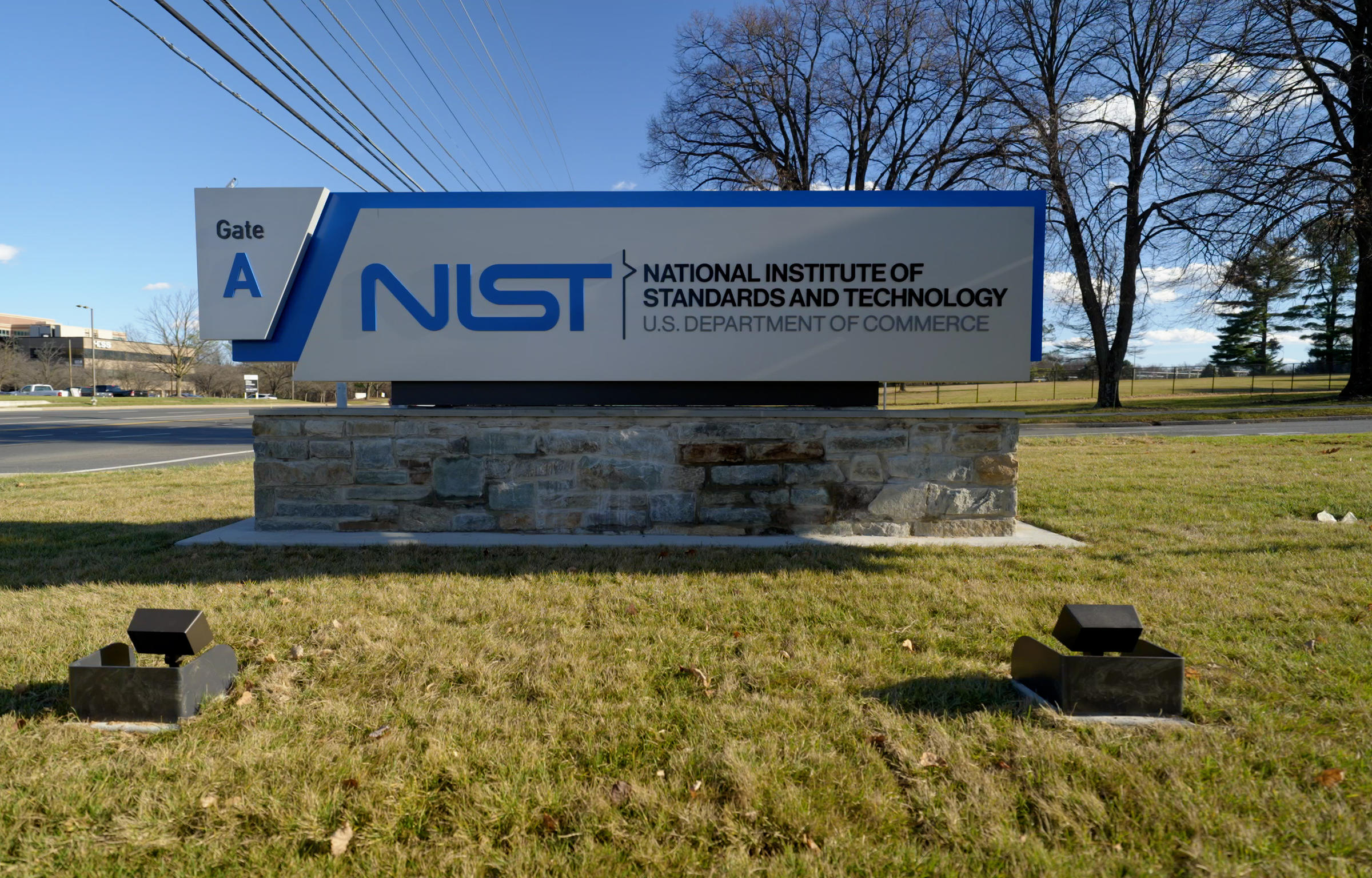
NIST Gaithersburg Gate A entrance sign, published January 2025. Archival agency context for NIST’s SI incident-management report; not a photograph of an SI system, an incident or the May 2026 workshop. No endorsement implied.
R. Eskalis/NIST · NIST public information; reuse with credit · LicenseThe photograph above has its own source and credit. Image references in the original reporting below may describe a different image on the source publication.
Cyber Defense Group update
NIST published the final NIST IR 8621 on November 2, 2026, reporting findings from its May 14 workshop on super intelligence (SI) incident management. The report covers both attacks against SI systems and harmful outcomes from misuse or malfunction. It records stakeholder findings and priorities for further work, rather than a new incident-response mandate.
The supplier relationship is a practical focus for federal security teams. Workshop participants noted that model, cloud and service providers may control the logs, documentation and remediation actions needed during an incident. The report identifies a need for clearer contract language, audit rights, incident-notification provisions, evidence commitments and contact paths across that supply chain.
Participants also highlighted the tension between useful incident evidence and sensitive information. Prompts, outputs, tool calls and data-access records can help explain what happened, while also containing personal, regulated or proprietary information. Evidence collection therefore needs retention, access and privacy decisions; collecting every available log is not a complete response strategy.
For contractors delivering ISSO, RMF and security policy support to federal systems that use these technologies, an actionable review is to check who can obtain supplier evidence, who can revoke agent access and who owns escalation. Record unresolved dependencies in the system's risk and incident-response documentation, and coordinate proposed contract changes with the responsible acquisition and legal teams. These are editorial implementation considerations, not additional requirements imposed by the report.
NIST describes possible future guidance, including work on SP 800-61 and SI-specific monitoring and information sharing. SP 800-61 Revision 3 remains the current final incident-response publication checked for this article. IR 8621 does not itself replace it, establish a new reporting deadline or announce a procurement. Follow the actual agency requirements, system scope and contract terms.
Sources and references
Source publication notes
IR 8621 is a final workshop report, not a new binding incident-response standard, contract clause or solicitation.
Workshop findings and presenter recommendations are attributed to participants; possible future NIST guidance is not an issued requirement.
Applicability depends on the actual agency requirements, system technologies, contract terms and responsible officials. Editorial implementation considerations do not create additional obligations.
Incident evidence may contain sensitive information. Scope collection, retention and access to applicable privacy, security and records requirements.
November 2 is the official report release date; the workshop occurred May 14, 2026. CDG publication has its own actual timestamp.
Educational information, not legal advice. Current official program guidance and the instructions for your application control. Registration, certification, or consulting does not guarantee an award.